

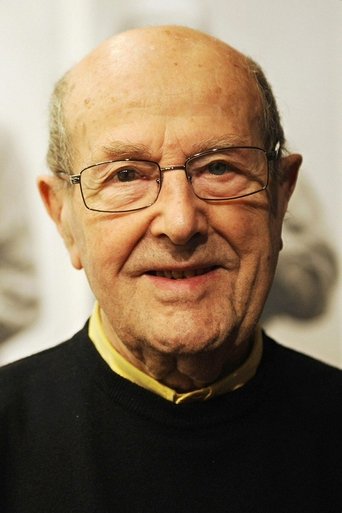
Manoel de Oliveira
Directing
- Naissance:
- 1908-12-11
- Décès:
- 2015-04-02
- Lieu de naissance:
- Porto, Portugal
Biographie
Manoel de Oliveira (11 December 1908 - 2 April 2015) was born in Porto, Portugal to Francisco José de Oliveira and Cândida Ferreira Pinto. His family were wealthy industrialists. Oliveira attended school in Galicia, Spain and his goal as a teenager was to become an actor. He enrolled in Italian film-maker Rino Lupo's acting school at age 20, but later changed his mind when he saw Walther Ruttmann's documentary Berlin: Symphony of a City. This prompted him to direct his first film, also a documentary, titledDouro, Faina Fluvial (1931). He also acted in the second Portuguese sound film, A Canção de Lisboa (1933). His first feature film came much later, in 1942. Aniki-Bóbó, a portrait of Oporto's street children, was a commercial failure when it opened, and its merit only came to be recognised over time. This drawback forced Oliveira to abandon other film projects he was involved in, and to dedicate himself to running his family vineyard. He re-emerged onto the film scene in 1956 with The Artist and the City, a work that marked a turning point in Oliveira's conception of the cinema. In 1963, O Acto de Primavera (The Rite of Spring), a documentary depicting an annual passion play, marked a turning point for his career. This was shortly followed by A caça (The Hunt), a grim feature film that contrasted with the happy tones of his previous documentary. Despite the widespread acclaim garnered by both films, he would not return to the director's seat until the 1970s. Since 1990 (when he turned 82), he has made at least one film each year. Oliveira has said that he direct movies for the sheer pleasure of doing it, regardless of critical reaction. He maintains a quiet life away from the spotlights, despite multiple honours such as those of the Cannes, Venice and Montreal film festivals. He has been awarded two Career Golden Lions in 1985 and 2004 and a golden palm for his lifetime achievements in 2008.
Connu pour



Filmographie

A Vida dos Espelhos

Jornal Português (1938-1951)
A Glória de Fazer Cinema em Portugal
1 Século de Energia

Visite ou Mémoires et confessions
O Velho do Restelo

Chafariz das Virtudes
Henri Langlois vu par...

Biette
Mundo Invisível
Centro Histórico

O Conquistador Conquistado
Gebo et l'ombre
101

Agnès de ci de là Varda

Agnès de ci de là Varda
Hitler à Hollywood
Guest
Sem Cura - à saúde de Manoel de Oliveira

L'Étrange Affaire Angélica

Painéis de São Vicente de Fora: Visão Poética
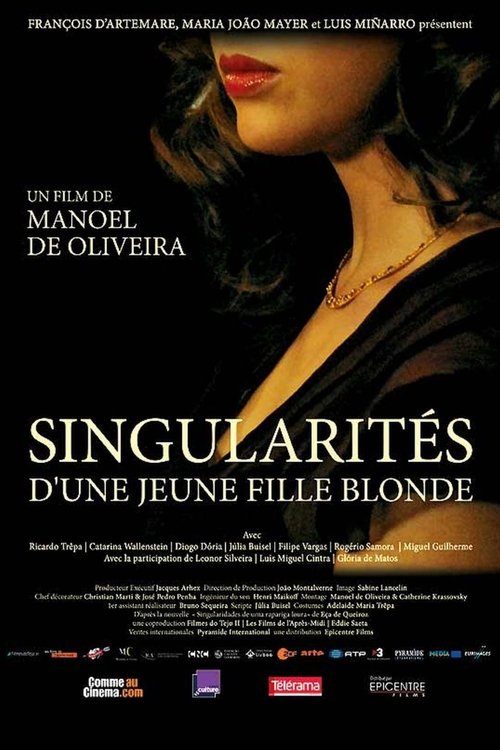
Singularités d'une jeune fille blonde
O Poeta Doido, o Vitral e a Santa Morta
Romance de Vila do Conde
Manoel de Oliveira, O Caso Dele
Chacun son cinéma
La 15e Pierre
Christophe Colomb, l'énigme
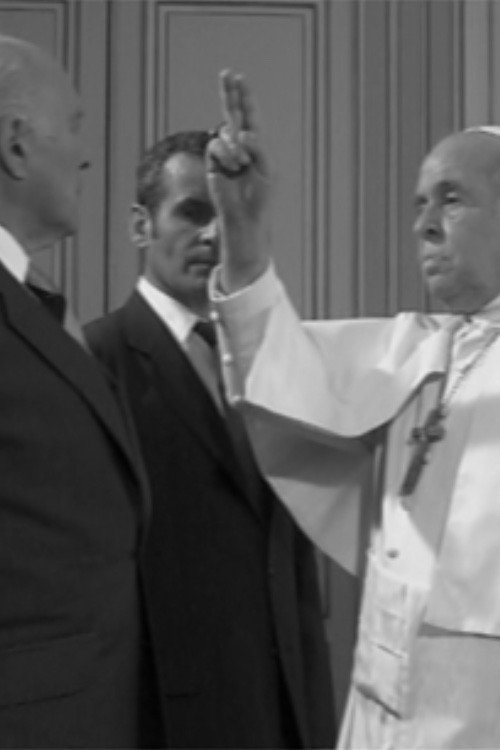
Rencontre Unique
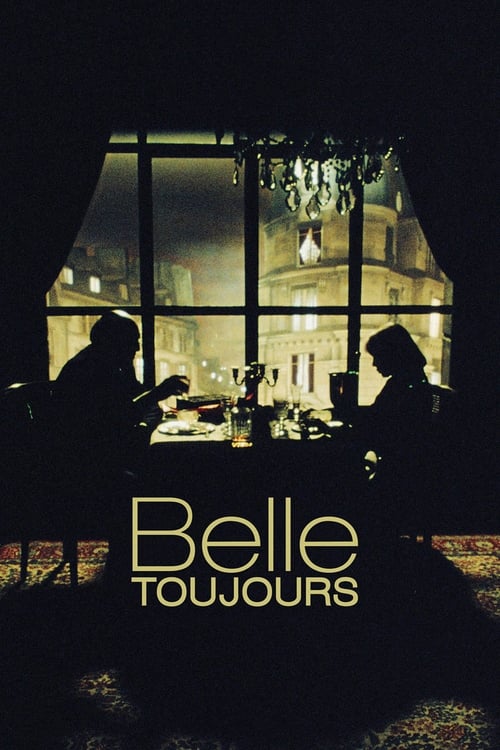
Belle Toujours
O Improvável Não é Impossível
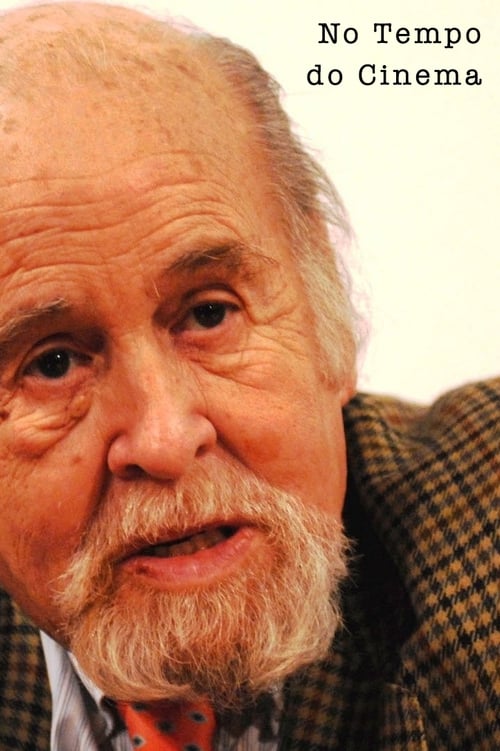
No Tempo do Cinema
Le Miroir magique
Conversazione a Porto
Do Visível ao Invísivel

Le cinquième empire

Un Film Parlé

Agostinho da Silva - Um Pensamento Vivo
Le principe de l'incertitude
Momento
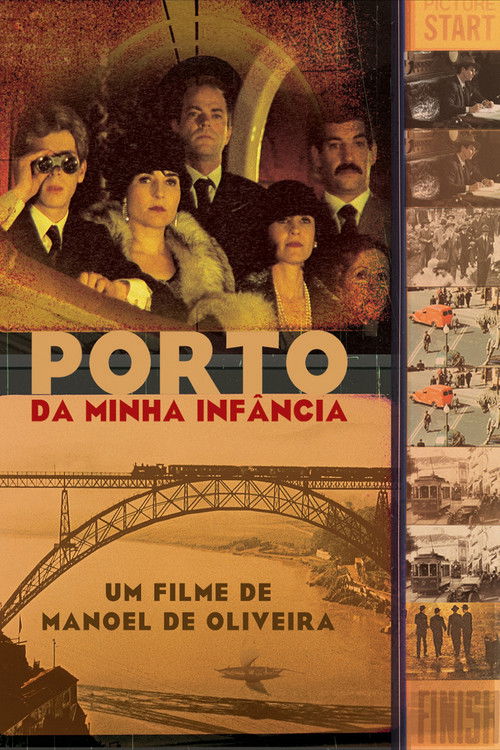
Porto da Minha Infância
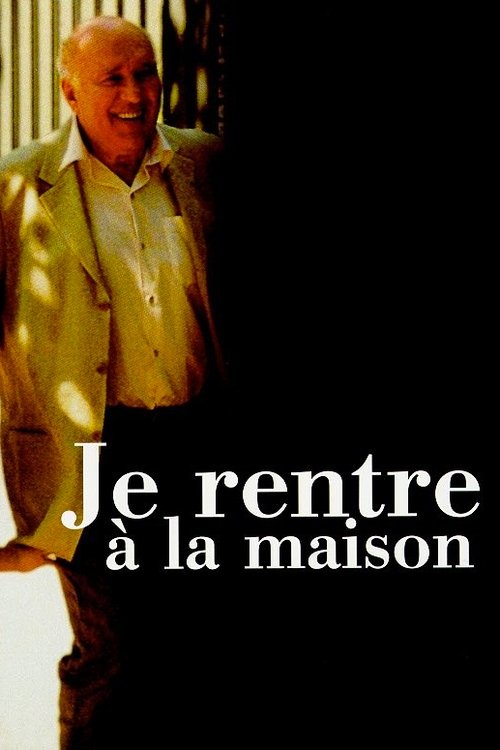
Je rentre à la maison
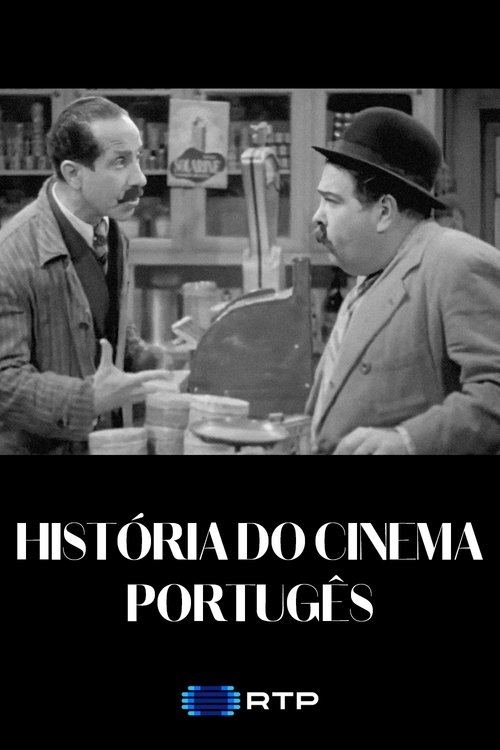
História do Cinema Português

Parole et utopie
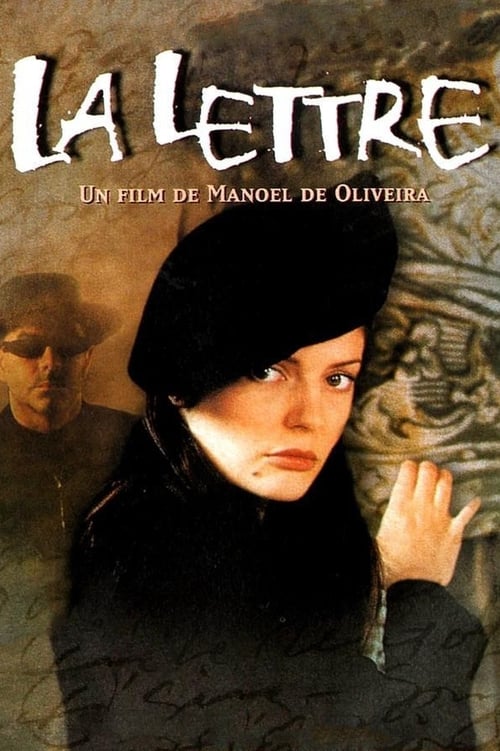
La Lettre

Inquiétude

Marcello Mastroianni, je me souviens
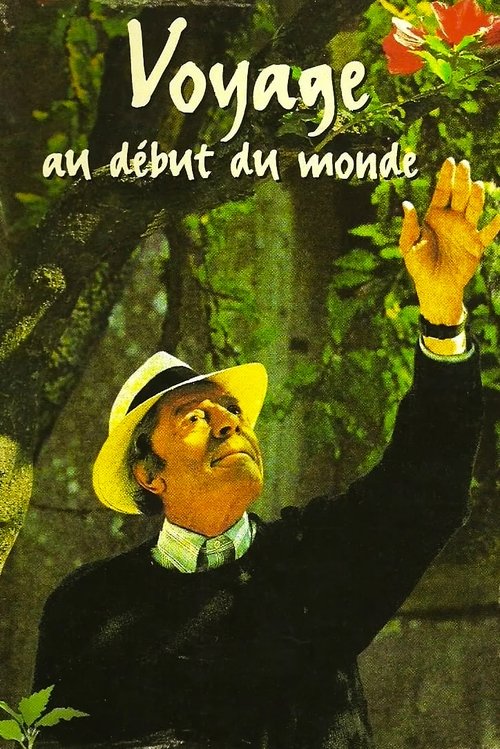
Voyage au début du monde

En une poignée de mains amies

Party

Le Couvent

Lisbonne story
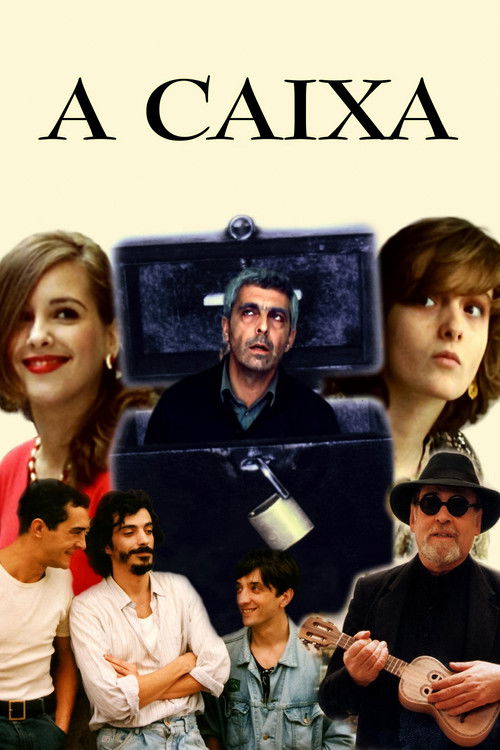
A Caixa

Zona+
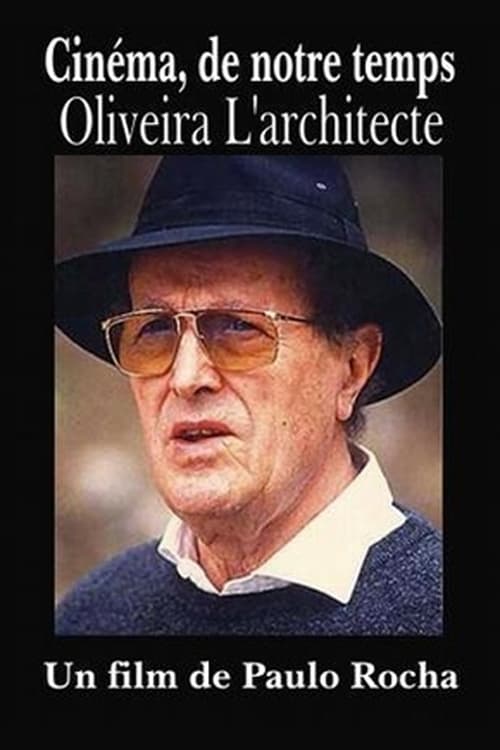
Oliveira, l'architecte
Val Abraham

Le jour du désespoir
A Divina Comédia

Non, ou la Vaine Gloire de commander
Cinéma Portugais – Un Mode d'Emploi