


Shabana Azmi
Acting
- Born:
- 1950-09-18
- Place of birth:
- New Delhi, India
Biography
Shabana Azmi (born September 18, 1950) is an Indian actress of film, television, and theatre, as well as a women's rights activist and parliamentarian. An alumna of the Film and Television Institute of India of Pune, she debuted in Ankur (1974) and quickly became one of the leading actresses of parallel cinema, an Indian New Wave movement known for its serious content and neo-realism. Recognized as being among the most acclaimed actresses of her country, she has received a record of five National Film Awards for Best Actress, six Filmfare Awards, several international accolades, and the Padma Shri, the fourth highest civilian honour awarded by the Government of India, and the Padma Bhushan, the third highest civilian honour awarded by the Government of India. She is best known for her portrayals of unconventional female characters and many of her films have won praise for depicting progressive ideals.
Known For
Filmography

Awarapan 2

Batwara 1947
Saugaat

Dabba Cartel
Bun Tikki

Parama: A Journey with Aparna Sen

Angry Young Men

Ghoomer

Rocky Aur Rani Kii Prem Kahaani

Good Morning Sunshine

What's Love Got to Do with It?
The Master: Shyam Benegal

Halo

The Empire

Sheer Qorma

Kaali Khuhi

Letter from Your Far-Off Country

Aunty Ji

Next of Kin
Kaifinama

The Black Prince

The Wishing Tree

Sonata

Signature Move

Neerja

Chalk N Duster

Capital

Jazbaa

Bollywood and Beyond: A Century of Indian Cinema
Benegal's New Cinema

A Decent Arrangement

The Reluctant Fundamentalist

Matru Ki Bijlee Ka Mandola
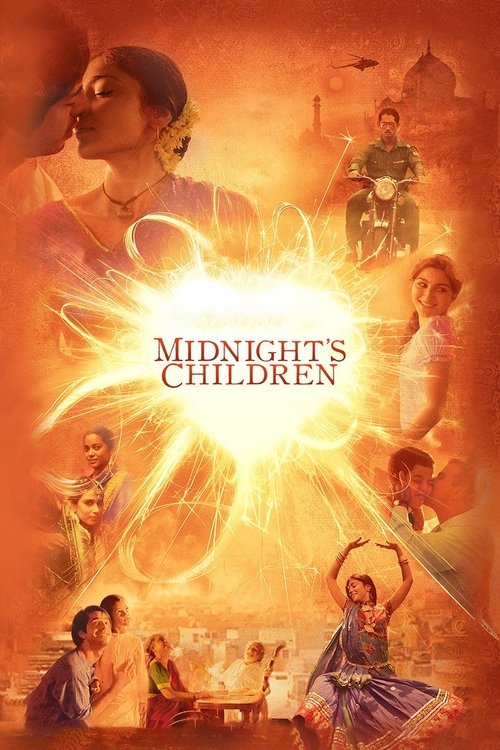
Midnight's Children

Celluloid Man

Love Breakups Zindagi

It's a Wonderful Afterlife

Luck by Chance

Sorry Bhai

Dus Kahaniyaan
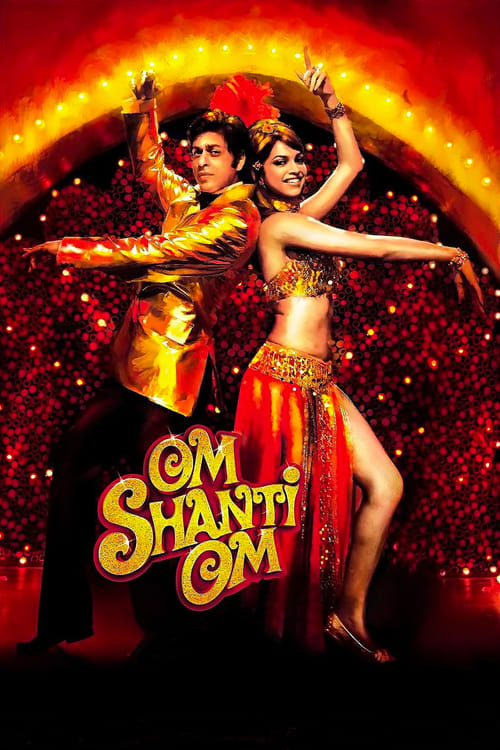
Om Shanti Om
Positive

Honeymoon Travels Pvt. Ltd.

Loins of Punjab Presents

Umrao Jaan

Banglatown Banquet

15 Park Avenue

Koffee with Karan

Morning Raga

Indian Idol

Tehzeeb

Makdee

Devi Ahilya Bai

Meghla Akash
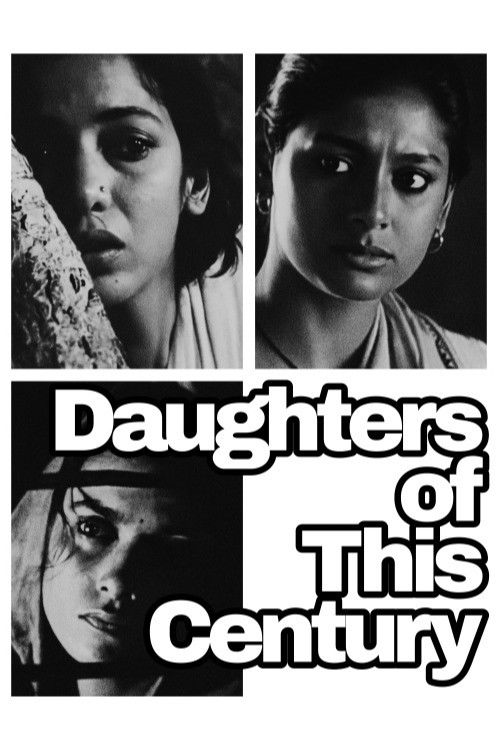
Daughters of This Century

Gaja Gamini

Hari-Bhari

Godmother

Side Streets

Bada Din